Cary Cooper

  • Beau Geste (1939)

    (On Cable TV, May 2022) I have the opposite of a soft spot for the colonialist adventures that were so popular in Hollywood during the late 1930s. Few films have earned as much seething hatred as the one I still hold against colonialist celebration Gunga Din (1939), and finding out the cruelty against horses that made The Charge of the Light Brigade (1936) possible did not help me warm up to the subgenre. At the time, Americans loved to use the British example as a way to affirm the superiority of the Anglo-Saxon colonizer (keep in mind: 1930s and the rise of ethno-nationalism across the west…) and the idea of staging wide-scale battles between a small number of white protagonists and faceless hordes of non-white antagonists was nothing short of irresistible. Now, I’m being slightly too hard on Beau Geste for the hideous faults of its cousins – after all, it’s a film that spends a lot of time in dignified British sets, then sends its protagonist through a harsh apprenticeship in the French Foreign Legion and a finale that can’t be described as a happy one. But in the end, the climax remains a bunch of white people in a fort fighting off hordes of non-white people coded as inferior and no number of shenanigans about blue diamond theft is going to erase that. Cary Cooper is his usual stoic, imperturbable, bland self here – he was much funnier when excerpts of his performance we reused in the 1977 farce The Last Remake of Beau Geste. While this version (among many) of Beau Geste is more tolerable than many other colonialist adventures, I wouldn’t go so far as to say it’s all that enjoyable. But, hey, if it’s your thing, or if you like Cooper better than I do…
  • The Lives of a Bengal Lancer (1935)

    The Lives of a Bengal Lancer (1935)

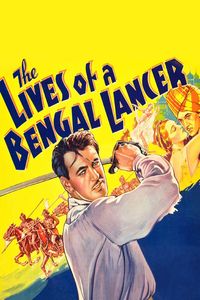
    (On Cable TV, May 2020) Taken by itself and in isolation, The Lives of a Bengal Lancer is a decent adventure film. It features Cary Cooper and others as British Empire soldiers sent to a remote outpost in India, where they get to smack down rebels, talk back to superiors and pick up a massive machine gun to mow down attackers. As a boys’ adventure is faraway land, it’s competently executed (albeit shot in the hills around Los Angeles), decently acted and scripted with an eye toward thrilling viewers. The problem begins when looking at the film’s legacy, or interrogating it from a modern perspective. The Lives of a Bengal Lancer was rewarded by good box-office results, lauded by numerous Oscar nominations, and provided Cooper with a steady paycheque playing that kind of character in that kind of movie for several years. So far so good, except—it was so convincing in its articulation of colonialism that it became one of Hitler’s favourite films, and spawned a subgenre of British Imperial adventure films—some of them horrifyingly racist (i.e.: Gunga Din). For a time, Hollywood became a more effective proponent of British conquest than the British film industry itself and that can all be traced back to this film. Looking at it with modern lens does it no favours either—it’s plodding and naïve, especially if you start questioning the foundations of what the film has to say about the presence of its English-speaking characters in such faraway lands. Clearly, the 1930s were a different time and the ability to appreciate films like The Lives of a Bengal Lancer requires a higher suspension of empathy than others.