Lassie series

  • Son of Lassie (1945)

    (On Cable TV, June 2022) Oof. Or rather: Woof, because if you thought the original Lassie was a dumpster of dog-propagandizing British-boosterism overly sentimental claptrap, you have no idea what the sequel does with the next generation and Nazis. The story has to do with Laddie, son of the famous Lassie, and the adventures he gets into once he hops on board his master’s plane (the grown-up boy hero of the previous film, now played by Peter Lawford) and they both get shot down over Nazi-controlled territory. Will they be able to escape the prisoner camp, stay together and make it back to England? Well, what do you think? Filmed in rather good Technicolor, the film doesn’t make any attempt at hiding its sickly-sweet blend of patriotism (despite being an American-produced, Canadian-shot film, it carries the British flag proudly), doggy-love and filial pride. It’s pretty much what it wants to be, and there was clearly a good audience for this kind of material in 1945, and still today.
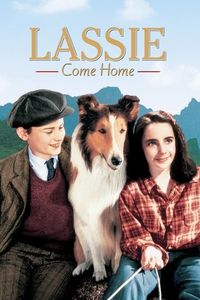
  • Lassie Come Home (1943)

    Lassie Come Home (1943)

    (On Cable TV, November 2021) While I won’t try to pretend that Lassie Come Home is a bad film, let’s point out that it plays heavily on two very emotional notes that will either reach you or leave you unmoved. I, to put it bluntly, am not really a dog person and my Anglophilia is more urban-centric than made of a fascination for Brittania’s rural life. So, when this first Lassie film comes along, self-intoxicated by its depiction of a canine protagonist and wallowing into the clichés of the British countryside shot in California (along with the typically pronounced accents), I remain very much unmoved by a film doing backflips for specific viewers. (Just the opening scroll is enough to give a sugar rush to some.) On the other hand, “Lassie” has become such a shorthand for “movie dog, smart and kind” that it’s almost refreshing to have a look at the movie at the start of it all, as it adapts the 1940 novel and director Fred M. Wilcox leaves the starring role to the canine character. (As funny as it sounds, I never made the link between “lass” and “Lassie” until watching the film, so that’s a small mystery cleared up.) Otherwise, Lassie Come Home is roughly the kind of family film you could expect from 1943, pushing the rural Anglophile angle as war morale booster and delivering something that could play in Midwestern theatres for all to enjoy. As I said — not a bad film, but clearly made for a dog-loving audience. I am not really looking forward to watching the five (!) other films in the series.