Phil Karlson

  • Tight Spot (1955)

    (On Cable TV, July 2022) Ginger Rogers is not usually associated with film noir, but like many actresses active during the 1940s–1950s, her filmography does include at least one related title. She’s the lead in Tight Spot, a film that makes more sense the more you know about the organized-crime trials of the early 1950s, where some witnesses had an unfortunate tendency of dying before testifying and when gangster moll Virginia Hill left an indelible impression on the national psyche after her appearance in front of the Kefauver Committee. But even if you’re not aware of this, Tight Spot still has some appeal. Much of the action is focused on a hotel suite where Rogers, playing a high-value witness, is cajoled by police (led by a character played by Edward G. Robinson) in agreeing to testify against a mob boss. But the big complication is the crooked cop (Brian Keith) in their midst, weighing his growing attraction to the witness against orders from the mob to facilitate her murder. Part of the film is familiar, but it works rather well—and you can’t underestimate the interest in seeing Rogers go for a hard-boiled moll with a smart mouth. A good leading cast, combined with a fun script and some efficient direction from Phil Karlson, combine to make Tight Spot a decent-enough thriller of the noir era—not perfect (it could have been a bit snappier in the middle) and maybe a bit too sparse in its characters, but still something worth watching to the end.

  • The Brothers Rico (1957)

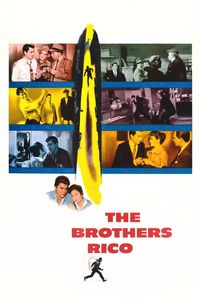
    The Brothers Rico (1957)

    (On Cable TV, May 2021) As the 1940s moved into the 1950s, there was a not-so-subtle shift in film noir — the glumness of the post-WW2 years was slowly being replaced by an awareness of the pervasiveness of organized crime. High-profile congressional investigations created a mythology of gangsters that was quickly capitalized upon by Hollywood. That’s how film noir shifted slightly from smoking private investigators looking into cases of murder that revealed corruption, to a variety of tales involving the mob versus ordinary citizens. In more outlying cases, noir became cinema-verité inspired by real events, with people tut-tutting how crime did not pay. The Brothers Rico feels as if it’s at the junction between noir and crime thrillers — it’s about a retired mob accountant helping his brother get out of the country all the while avoiding going back to a life of crime as he tries to adopt a child. Director Phil Karlson wasn’t a great stylist, but he could move plot pieces with efficiency and, thanks to him, the film works its way to a slow boil that helps explain the interventionist arc of the protagonist. The clearest difference between the chosen tone of this family-versus-mob thriller versus more typical film noir is found in the somewhat upbeat conclusion, in which the protagonist is allowed to go back to a normal life after dipping back into illicit activities. Top-tier noirs are known for the ineluctable nature of fate, but The Brothers Rico plays it audience-friendly. Not a complaint — but it explains why The Brothers Rico, while enjoyable, is not often mentioned as part of the classics.

  • Kansas City Confidential (1952)

    Kansas City Confidential (1952)

    (On TV, August 2020) Considering how often film noir and heist movies have been remade, remixed and ripped off, it’s a weird feeling to find a classic Hollywood crime film that almost feels original. I settled down to watch Kansas City Confidential convinced that I was in for another 1950s noir heist film, but it turns out that the film is far more concerned with the tortured aftermath of its opening robbery than the crime itself. Better yet—this is almost a film in which the criminals must chase down the police to solve the crime. The mastermind’s brilliant idea to hire criminals for his crimes and frame an average man for it spectacularly backfires when said everyman becomes obsessed with uncovering the real culprits. Crisply shot and featuring actors with the tough faces and rough voices required for the material, Kansas City Confidential is a well directed by Phil Karlson. It plays with notions of injustice and hope even as its less-than-honourable characters jockey for a pile of cash. Lee van Cleef is notable in a small role, but the best performance here goes to John Payne as an ex-con trying to bring justice. The production values aren’t all that high, but as far as film noirs go, Kansas City Confidential is fun to watch and, surprisingly, still a bit original seven decades later.