Bird of Paradise (1932)
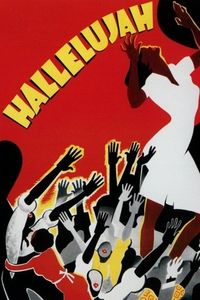
(On Cable TV, June 2022) Looking for non-white representativeness in classic Hollywood history is always a double-edged sword. Sure, you may find it… but at the cost of seeing tired clichés and offensive stereotypes. So it is that while Bird of Paradise does feature King Vidor (one of the best and most humane directors of the 1920s–1930s – and also the director of the black-cast Hallelujah), the magnificent Dolores del Rio, and a story entirely set on a tropical island… the price to pay for it is a story that seemingly indulges in the worst clichés of exotic noble savages, from casual nudity to volcanic sacrifices. Joel McCrea and Lon Chaney Jr. also feature in the film, with Busby Berkeley contributing dance choreography – so there are clearly some production values to go around in the film’s recreation of the South Pacific. Still, Bird of Paradise isn’t supposed to be a fun romp: It doesn’t end well (perhaps due to the interracial component of the film’s central romance), and the storm of racial clichés can be hard to take seriously. Still, still – the pre-Code nature of the film does soften a few edges, or more accurately adds more to the film than if it had been completed even three years later. Del Rio is a timeless beauty, and while Vidor doesn’t have much to do here to play up his usual themes (it was reportedly very much work-for-hire), he delivers romantic sequences of unusually good quality. As with many similar films, Bird of Paradise is a mixed bag: sure, there’s some good stuff here, but are you willing to watch the rest of it?